Before I Managed Projects, I Built Mansions Under My Parents’ Table
I’ve been deep in bid mode lately, and if I’m being real… I still love it. There’s something about breaking down a scope, tightening the numbers, studying the plans, protecting the margin, and building a strategy that still does something for me.
3/22/20264 min read
I’ve been deep in bid mode lately, and if I’m being real… I still love it. There’s something about breaking down a scope, tightening the numbers, studying the plans, protecting the margin, and building a strategy that still does something for me. After all these years, that part hasn’t changed. I still enjoy putting together a solid bid and knowing it makes sense from every angle.
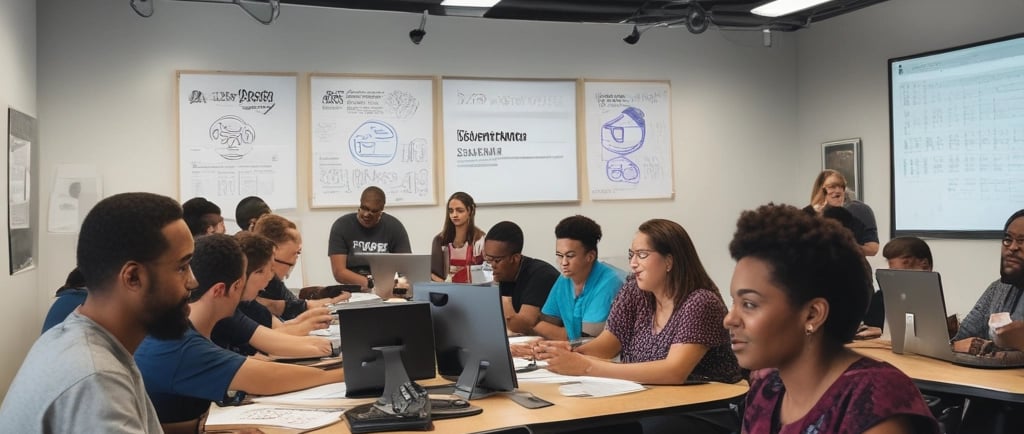
At the same time, we’re continuing to build out Community Economic Pathways. This next phase is different. It’s not just information anymore, it’s execution. We’re moving into hands-on training, real work, real structure, real results. This is where people stop talking about business and actually start building one.
You know what’s funny?
I tried to leave construction more than once, and not drift away, I mean, really pivot. Try something different. Prove I was more than “the construction lady,” but construction never left me.
When I was a little girl, our tables and chairs were tall with thick wooden legs. Solid. Heavy. Real furniture. And I would turn that furniture into estates. Those tall wooden legs became my framing system. The space underneath the dining room table became grand entrances, hallways, and private rooms with purpose. I’d map it out in my mind where the living room would be, where the bedrooms were, and how guests would move through the space.
I wasn’t building hideouts. I was building mansions. Before big homes were glamorized on television, I was already designing mine under my parents’ furniture. I didn’t know terms like structural load or floor plan. But I understood space scale and flow. That wasn’t pretend play, that was preparation.
I didn’t just fall into construction; I trained for it. I started with civil engineering because I wanted to understand how buildings stand. Foundations. Load transfer. Materials. But if I’m being honest, I thought parts of it were boring. Not the building. The stillness.
I remember being in the lab when we had to mix concrete. While others waited around, I found myself reading the instructions out loud, organizing the team, who measures, who mixes, who times, and who documents. Nobody appointed me; I just stepped into it. That’s when I realized something. I wasn’t just interested in the concrete. I was managing the process. That was the beginning of project management for me.
After civil engineering, I studied electrical engineering because what’s behind the walls matters just as much as what you see. Systems. Power. Coordination.
Then I completed my 60-hour builder’s license course and my hours to become a Lead Supervisor with the State of Michigan. I wanted to understand codes, compliance, and responsibility, not just theory, and after electrical engineering, I studied interior design, because building isn’t just about getting walls up, it’s about getting them right.
Does the layout function? Does the lighting serve the space? Does it flow? Does it feel intentional? Civil engineering gave me structure, and electrical engineering gave me systems thinking. Licensing gave me accountability. Interior design sharpened my eye. Construction sharpened my discipline, and forty years in the field sharpened my judgment in ways no classroom ever could.
Over the years, I’ve managed projects from hundreds of thousands of dollars to being part of a billion-dollar capital improvement program. I’ve handled estimating, compliance, scheduling, workforce coordination, and final inspections throughout the full lifecycle of our projects.
And yes, there were seasons I thought I was done, not because I didn’t love it, but sometimes you get tired of fighting to belong in spaces you’ve already earned your seat in. Sometimes you wonder if there’s an easier lane, and so I tried to leave.
But the truth is, I never really left. Instead of walking away from construction, I would take breaks. I would pivot. I would build something else. Write books. Launch brands. Create programs. Focus on other ventures, and then construction would circle back.
A project opportunity. A site that needed leadership. A contractor who needed structure. A community that needed someone who understood how to move from bid to build.
It wasn’t construction holding me back from doing something else. The truth is, even when I shifted directions, I was still wired like a project manager. I think it through, I run the numbers, I put the structure in place, and I get it done. That way of thinking doesn’t just shut off.
And sitting here thinking honestly…I don’t just want to manage projects anymore. I want to develop. I understand land acquisition. I understand budgets and sequencing. I understand finishes and systems. I understand what delays cost and what shortcuts destroy. That little girl building estates under tall wooden tables wasn’t pretending. She was practicing; construction isn’t predictable.
One day it’s drawings, the next day it’s field conditions. The next day, it’s solving problems nobody anticipated. The next day, it’s protecting the budget like it’s your own money. It’s movement. It’s a strategy. It’s creativity under real constraints. You either love that pace, or you don’t. And I do.
Yes, I was told at times that maybe this industry wasn’t built for someone like me. But here’s what I know now: When something keeps pulling you back, it’s not always resistance. Sometimes it’s alignment. I didn’t fail at leaving construction. I paused. I pivoted. And I returned stronger, because some of us don’t just work in construction. We build.
And I’m not done building yet.
Until next time, Angela
Connect
Helping you build lasting economic opportunities
© 2025. All rights reserved.
313-721-4611
Reach out by leaving a message or by text message at: